Eco-Friendly Approaches: How E-Waste Recycling Services Are Preserving Our Planet
Electronic waste presents serious dangers to the environment, as disposed electronics frequently harbor hazardous substances. These hazardous substances can contaminate soil and water, causing extensive damage to surrounding ecosystems. E-waste recycling initiatives provide a practical answer. They serve the dual purpose of reclaiming precious materials and reducing contamination. Understanding how these services operate and their impact on communities is essential. Pursuing efficient e-waste management brings forth pressing questions regarding individual duties and shared responsibility. What measures can be pursued from this point onward?
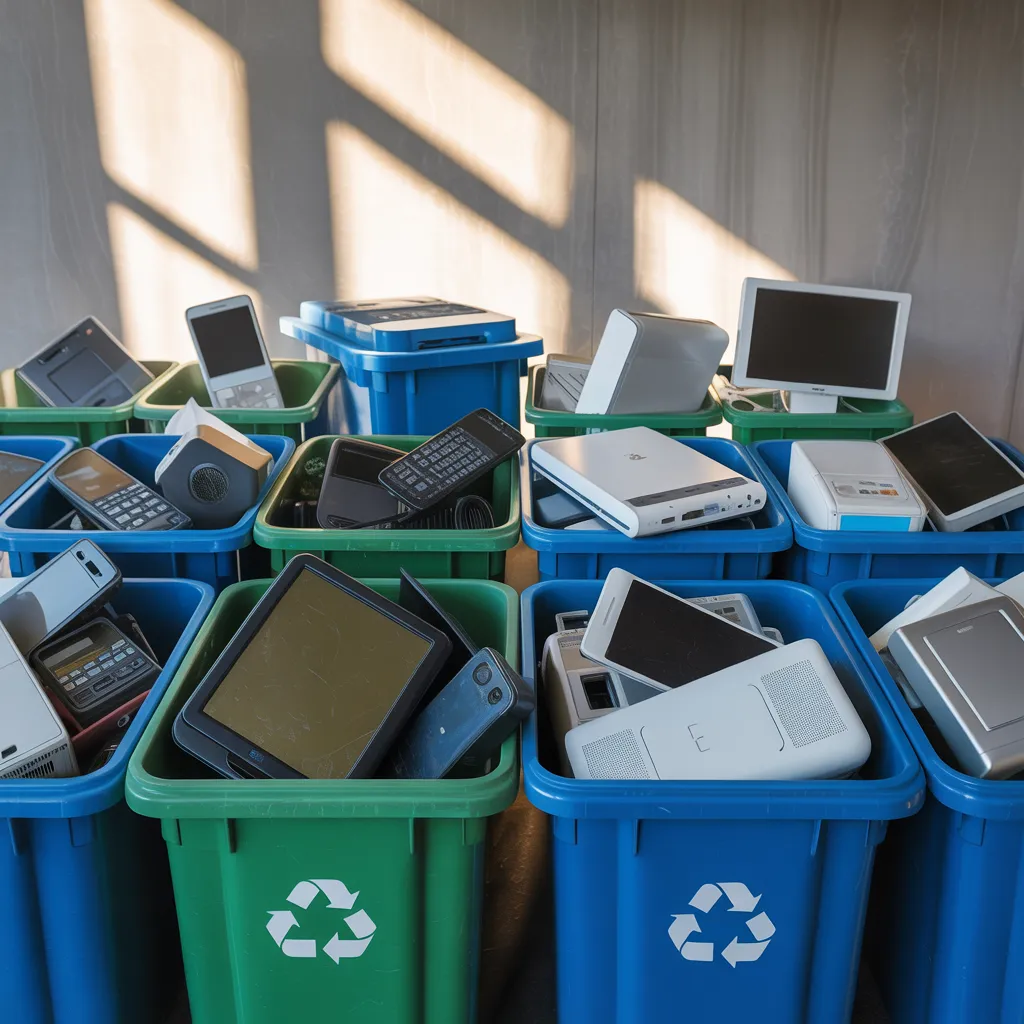
The Reasons E-Waste Is Damaging to the Planet
Although technology enriches contemporary living, electronic waste presents significant environmental threats. Discarded electronic devices, often containing hazardous materials such as mercury, lead, and cadmium, may release harmful substances into groundwater and soil, creating hazards for both wildlife and human well-being. The rapid pace of technological advancement contributes to increased consumer turnover of electronics, intensifying the growing problem of discarded electronic materials.
Landfills, already strained by waste, are unable to keep up with the rising quantities of abandoned electronics. Burning, an alternative disposal approach, discharges toxic contaminants into the air, worsening overall air quality. In addition, improper recycling practices can lead to the exportation of e-waste to developing countries, where laborers may dismantle devices without adequate safety measures, exposing themselves to dangerous substances. This cycle of neglect and improper handling underscores the urgent need for sustainable recycling solutions that can mitigate the adverse effects of e-waste on the planet.
Understanding E-Waste and Its Significance
E-waste, or electronic waste, comprises discarded electronic devices such as computers, smartphones, and televisions that have reached the end of their useful life. This increasingly prevalent form of waste is important because of its swift buildup, fueled by innovation in technology and shifting consumer habits. As growing numbers of electronics become outdated, the environmental impact intensifies, with toxic materials such as lead, mercury, and cadmium threatening both ecosystems and public health.
Addressing e-waste is crucial not only for reducing these dangers but also for acknowledging the precious materials found within it. Precious metals and rare earth elements can be recovered and reused, reducing the need for mining and conserving natural resources. With a thorough understanding of e-waste and its impact, people and organizations alike can make educated decisions about disposal and recycling, helping to build a more sustainable world. Effective handling of e-waste is vital for encouraging a circular economy and advancing environmental responsibility.
The Way E-Waste Recycling Functions
Recycling e-waste involves a structured approach intended to extract beneficial components while reducing harm to the environment. To begin, discarded electronics are retrieved and sent to specialized recycling facilities. Upon arrival, See more the equipment is meticulously organized to separate hazardous components from recyclable materials.
Following this, workers deconstruct the electronics, separating plastics, metals, and glass. This stage is crucial, as it allows for the recovery of rare metals like gold, silver, and copper, which are repurposed in modern electronics.
Following this, the isolated materials are processed using sophisticated techniques, such as mechanical shredding and chemical processing, to purify them for repurposing.
Finally, the residual dangerous materials are managed properly, adhering to eco-friendly standards. This multi-step approach not only conserves resources but also minimizes the hazards associated with unsafe e-waste handling, securing a more eco-conscious future for electronic device usage.
The Benefits of E-Waste Recycling for You and Your Community
While many individuals may not realize it, the benefits of e-waste recycling go far beyond individual benefit and actively shape entire communities. By carefully processing electronic waste, individuals play a role in creating a healthier environment, minimizing toxic components that can contaminate soil and water. This forward-thinking practice helps preserve local ecosystems and promotes public health.
Additionally, e-waste recycling promotes job creation within communities. Regional recycling centers frequently need staff for a range of functions, including collection and processing, thereby providing employment opportunities to area workers. This not only stimulates the local economy but also encourages community engagement in sustainable practices.
In addition, familiarity with e-waste recycling is capable of inspiring community outreach programs, encouraging residents to make environmentally conscious decisions. By engaging with e-waste recycling programs, individuals foster a culture of sustainability, encouraging others to follow suit. In summary, the cumulative impact of these actions can lead to a more robust and eco-friendly community.
How to Pick an E-Waste Recycling Service
Picking the most suitable e-waste disposal service is essential for making sure that e-waste is handled in a responsible and sustainable manner. Initially, people should verify the provider's credentials, such as R2 and e-Stewards certifications, which signify conformance to industry standards for secure waste disposal procedures. It is equally important to assess the company's credibility by reviewing feedback and looking for recommendations from trusted sources.
Moreover, openness in the recycling process is crucial. A trustworthy company should offer detailed insights about the way e-waste is handled and what happens to the materials. Moreover, considering the scope of services provided can prove valuable; various firms may supply retrieval services or extend benefits for recycling.
Finally, familiarizing yourself with local regulations regarding e-waste disposal can additionally influence the choice of disposal method. By taking these elements into account, individuals can contribute to efficient electronic waste handling while also advancing eco-friendly habits.
How You Can Get Involved in E-Waste Recycling?
Participating in e-waste recycling often starts at the local level, where community recycling hubs often provide essential services for safe disposal. Moreover, taking part in community awareness campaigns can strengthen efforts to educate others about the importance of ethical e-waste practices. Such efforts not only advance environmental sustainability but also build a collective sense of accountability for the environment.
Regional Recycling Centers
Several neighborhood recycling stations perform an important function in the recycling of e-waste, offering communities convenient opportunities to dispose of electronic waste responsibly. These facilities handle a range of electronic equipment, including used computers, handheld devices, and televisions, ensuring that harmful materials are handled safely. Many hubs feature qualified professionals who are able to assist individuals with correct disposal techniques, underscoring the benefits of recycling compared to landfilling. Additionally, several stations organize drop-off events or designated collection days, enabling residents to engage without difficulty. By taking advantage of these neighborhood resources, residents support a circular economy, decreasing environmental damage and advancing sustainable approaches. Partnering with these facilities empowers communities to take action against e-waste pollution effectively.
Community Outreach Campaigns
Nearby organizations, schools, and enterprises can work together to organize events that support e-waste collection drives. Community members can serve a critical function in spreading awareness, distributing educational materials, and engaging with the community. Through these collective efforts, community members grow more knowledgeable and inspired to dispose of their electronics responsibly, ultimately contributing to a more sustainable future.
Answers to Your Most Common Questions
What Kinds of Electronics Can Be Recycled?
Various electronics can be recycled, including laptops, televisions, smartphones, printers, computers, and gaming consoles. Furthermore, ancillary devices such as mice, keyboards, and batteries are well-suited for recycling, contributing to efforts to conserve the environment.
Are There Fees Involved With E-Waste Recycling?
That's correct, e-waste recycling sometimes comes with charges, based on the facility. Certain providers impose charges for collection or processing, while others offer free services, typically funded by the sale of reclaimed components.
What Are the Benefits of E-Waste Recycling for Businesses?
Companies can take advantage of e-waste recycling by lowering disposal expenses, enhancing their environmental image, complying with regulations, recovering valuable materials, and potentially generating revenue through resale, thereby fostering a more environmentally responsible business approach.
What Happens to Data on Recycled Devices?
Details from repurposed equipment is commonly completely removed or eliminated during processing. This confirms sensitive information remains secure, preventing unauthorized access while permitting materials to be reused securely and sustainably across new manufacturing processes.
Can I Recycle Broken Electronics?
Absolutely, broken electronics can be recycled. Many facilities take in defective devices, providing responsible disposal and recovery of useful materials. Doing so helps reduce the environmental footprint while encouraging responsible recycling practices to control e-waste properly.