Eco-Friendly Approaches: How E-Waste Recycling Services Are Preserving Our Planet
E-waste represents a considerable hazard to the environment, as discarded electronics often contain toxic materials. These hazardous substances can contaminate soil and water, leading to broader ecological damage. Electronic waste recycling programs offer an effective remedy. They successfully retrieve useful resources while simultaneously minimizing environmental pollution. Comprehending the operation of these services and their influence on communities is of great importance. Pursuing efficient e-waste management brings forth pressing questions regarding individual duties and shared responsibility. What measures can be pursued from this point onward?
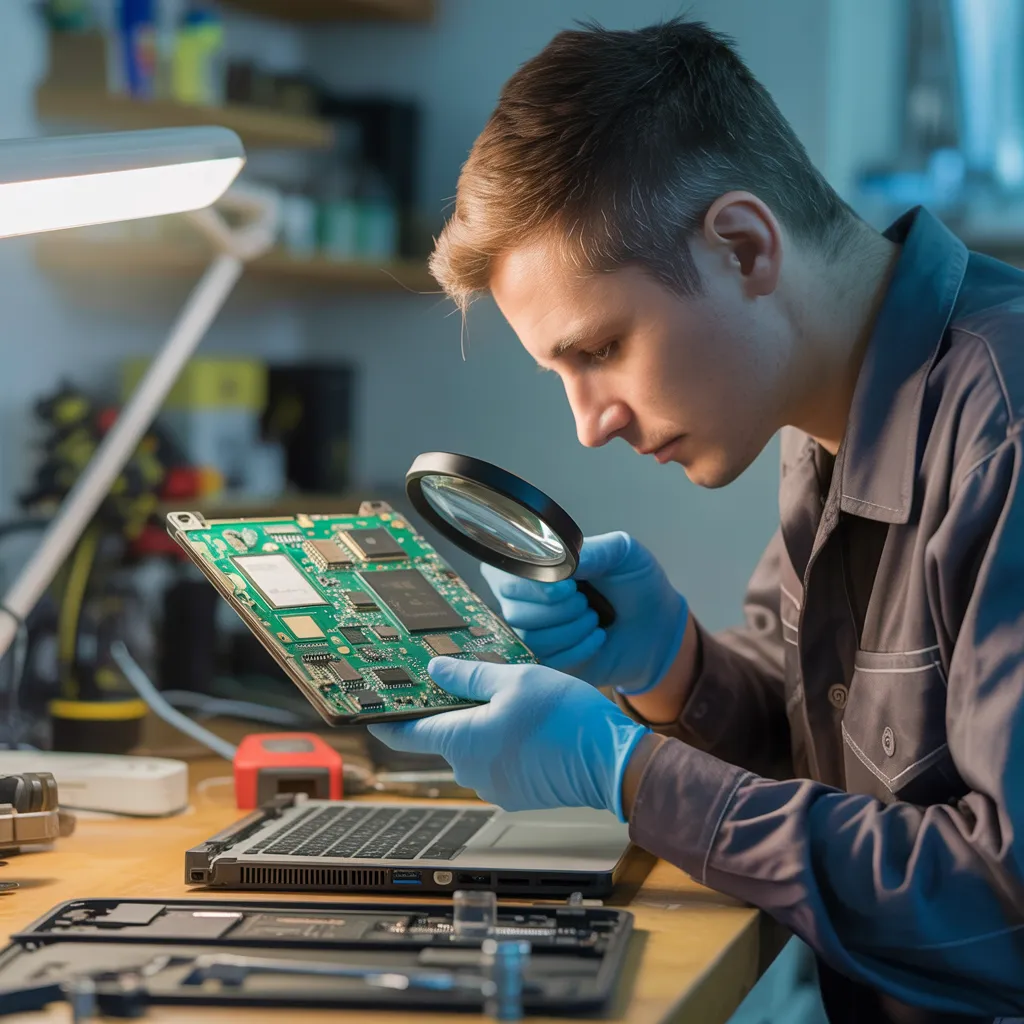
Why E-Waste Poses a Threat to the Planet
Although technological advancements improve modern life, e-waste poses considerable environmental hazards. Discarded electronic devices, commonly laden with dangerous compounds like mercury, lead, and cadmium, may release harmful substances into groundwater and soil, posing risks to human health and ecosystems. The accelerating rate of technological innovation results in increased consumer turnover of electronics, intensifying the growing problem of electronic waste.
Landfills, already burdened with waste, struggle to accommodate the growing volumes of discarded gadgets. Incineration, a common waste management technique, emits dangerous pollutants into the environment, degrading atmospheric conditions. Moreover, poor recycling procedures can cause e-waste to be sent to developing regions, where employees may disassemble electronics without sufficient safety precautions, leaving them vulnerable to harmful substances. This ongoing cycle of carelessness and inadequate management emphasizes the pressing necessity for responsible recycling initiatives that can lessen the harmful consequences of e-waste on our world.
Understanding E-Waste and Its Significance
Electronic waste, commonly known as e-waste, comprises unwanted electronic equipment like smartphones, computers, and televisions that have reached the end of their useful life. This increasingly prevalent form of waste is important owing to its accelerating volume, propelled by advances in technology and evolving consumer behaviors. As more devices become obsolete, the ecological consequences become more pronounced, with dangerous elements including lead, mercury, and cadmium threatening both ecosystems and public health.
Addressing e-waste is crucial not only for reducing these dangers but also for acknowledging the precious materials found within it. Critical metals and rare earth components can be reclaimed and recycled, decreasing the reliance on mining and protecting natural resources. With a thorough understanding of e-waste and its impact, people and organizations alike can make educated decisions about disposal and recycling, helping to build a more sustainable world. Responsible management of e-waste plays a key role in supporting a circular economy and championing environmental stewardship.
The Way E-Waste Recycling Functions
The recycling of e-waste encompasses a systematic process designed to recover valuable materials while reducing harm to the environment. At the outset, electronic waste is gathered and delivered to dedicated processing centers. Once there, the electronics are carefully categorized to distinguish harmful elements from reusable resources.
After this step, technicians deconstruct the devices, recovering plastics, metals, and glass. This phase is essential, as it facilitates the retrieval of valuable metals like gold, silver, and copper, which can be reused in new electronic devices.
Following this, the isolated materials are refined with state-of-the-art techniques, such as chemical treatments and shredding, to prepare them for repurposing.
Finally, the residual dangerous materials are managed properly, following environmental regulations. This comprehensive process not only saves important resources but also reduces the dangers associated with improper e-waste disposal, ensuring a more sustainable future for electronic device usage.
Benefits of E-Waste Recycling for You and Your Community
Though many people are unaware, the positive effects of e-waste recycling go far beyond individual benefit and actively shape entire communities. By properly recycling electronic waste, individuals play a role in creating a safer environment, decreasing toxic components that can seep into soil and water. This responsible method helps preserve local ecosystems and advances public health.
In addition, e-waste recycling promotes employment opportunities within local communities. Nearby recycling establishments regularly need employees for numerous Go here tasks, including collection and processing, thereby providing employment opportunities within the community. This not only enhances the community economy but also promotes community participation in sustainable initiatives.
Additionally, knowledge about e-waste recycling can lead to community outreach programs, enabling residents to make environmentally conscious decisions. By participating in e-waste recycling programs, individuals promote a culture of sustainability, inspiring others to follow suit. All things considered, the collective impact of these actions can create a more strong and environmentally aware community.
How to Choose an E-Waste Recycling Service
Choosing the most suitable e-waste disposal service is essential for making sure that e-waste is processed in a responsible and sustainable manner. First, people should confirm the provider's certifications, such as R2 or e-Stewards, which signify conformance to professional guidelines for safe recycling practices. It is equally important to evaluate the company's reputation by checking reviews and seeking recommendations from trusted sources.
Furthermore, transparency in the recycling process is vital. A reliable company should offer detailed insights about how e-waste is processed and what becomes of the materials. Furthermore, considering the scope of services provided can prove valuable; some companies may provide pickup services or offer incentives for recycling.
Furthermore, familiarizing yourself with local guidelines related to e-waste disposal may further shape the selection process. By taking these elements into account, individuals can contribute to successful electronic waste reduction as well as promoting green and responsible behaviors.
How You Can Get Involved in E-Waste Recycling?
Participating in e-waste recycling can start at the local level, where local recycling facilities often provide essential services for proper disposal. Moreover, participating in community awareness campaigns can amplify efforts to educate others about the importance of responsible e-waste management. Such efforts not only advance environmental sustainability but also build a collective sense of accountability for the environment.
Community Recycling Locations
Numerous regional recycling hubs serve a vital function in recycling electronic waste, giving communities practical solutions to discard electronic waste in an eco-friendly way. These centers accept a wide array of electronic devices, including outdated computers, mobile phones, and TVs, verifying that toxic materials are disposed of safely. Most centers are equipped with qualified professionals who can guide individuals on proper disposal methods, stressing the significance of recycling instead of landfilling. Additionally, many centers offer planned drop-off gatherings or set collection days, making it easy for residents to participate. By utilizing these local services, individuals contribute to a circular economy, reducing environmental impact and promoting sustainable practices. Working alongside these hubs encourages communities to fight e-waste pollution decisively.
Community Awareness Campaigns
Nearby organizations, schools, and enterprises can work together to organize events that support e-waste collection drives. Community members can serve a critical function in spreading awareness, distributing educational materials, and engaging with the community. Through these collective efforts, local inhabitants gain greater awareness and encouragement to properly recycle their e-waste, thus playing a meaningful role in creating a more environmentally responsible future.
Common Questions and Answers
What Types of Electronics Can Be Recycled?
Numerous electronics may be recycled, including computers, smartphones, televisions, laptops, gaming consoles, and printers. Additionally, accessories such as keyboards, mice, and batteries are also suitable for recycling, promoting efforts to conserve the environment.
Do Any Costs Come With E-Waste Recycling?
Indeed, electronic waste recycling can include charges, based on the facility. Certain providers impose charges for pickup or handling, while others offer free services, often subsidized by the proceeds from salvaged materials.
What Are the Benefits of E-Waste Recycling for Businesses?
Companies can take advantage of e-waste recycling by lowering disposal expenses, enhancing their environmental image, complying with regulations, reclaiming useful materials, and potentially generating revenue through resale, thus supporting a greener and more sustainable operational framework.
What Becomes of Data on Recycled Devices?
Information regarding refurbished electronics is commonly completely removed or destroyed during the refurbishment process. This ensures private details stays protected, stopping improper access while allowing components to be reused safely and responsibly across new manufacturing processes.
Is It Possible to Recycle Damaged Electronics?
Indeed, damaged electronics are able to be recycled. Numerous centers process defective devices, guaranteeing responsible disposal and extraction of recoverable materials. Doing so helps lower the environmental footprint while supporting sustainable recycling habits to manage electronic waste properly.